GHOST Spies Ultra-hot Jupiter with Ultra-fast Winds
Highlights from my high-resolution spectroscopy study of the ultra-hot Jupiter HAT-P-70b.
27 May 2025
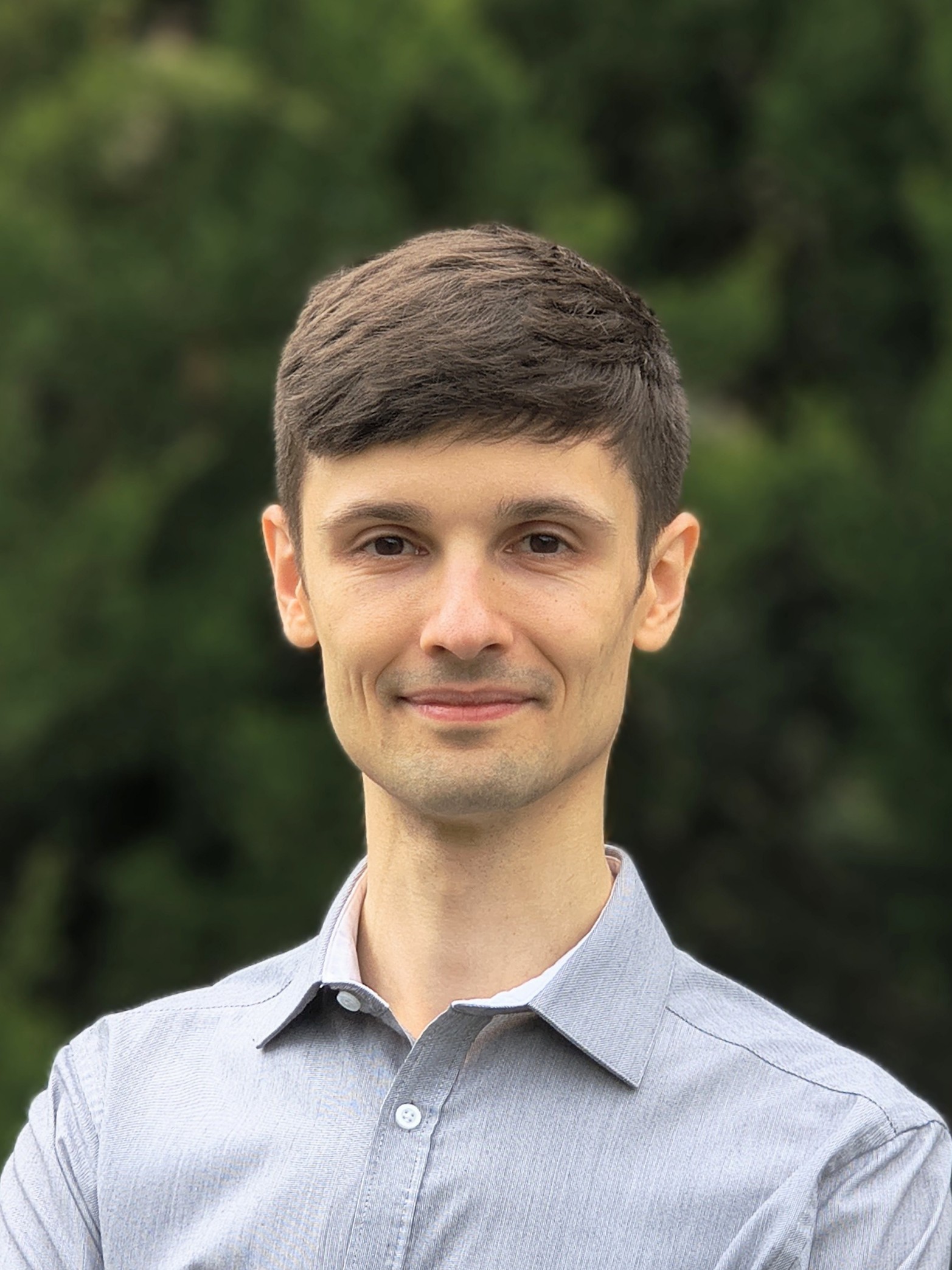
Exploration Fellow
School of Earth and Space Exploration
Arizona State University
I am an Exploration Postdoctoral Fellow in the School of Earth and Space Exploration at Arizona State University. As an observational astronomer, my research focuses on the characterisation of exoplanets and sub-stellar objects, using high-resolution spectroscopy from ground-based telescopes and space-based observations with the James Webb Space Telescope (JWST).
My research aims to understand the diversity of planetary systems, particularly how their atmospheric chemistry, structure, and dynamics vary across different planets and what these processes can reveal about their formation and evolution. I am also interested in the origin and formation of free-floating sub-stellar objects.
You can explore my main research themes in more detail below.
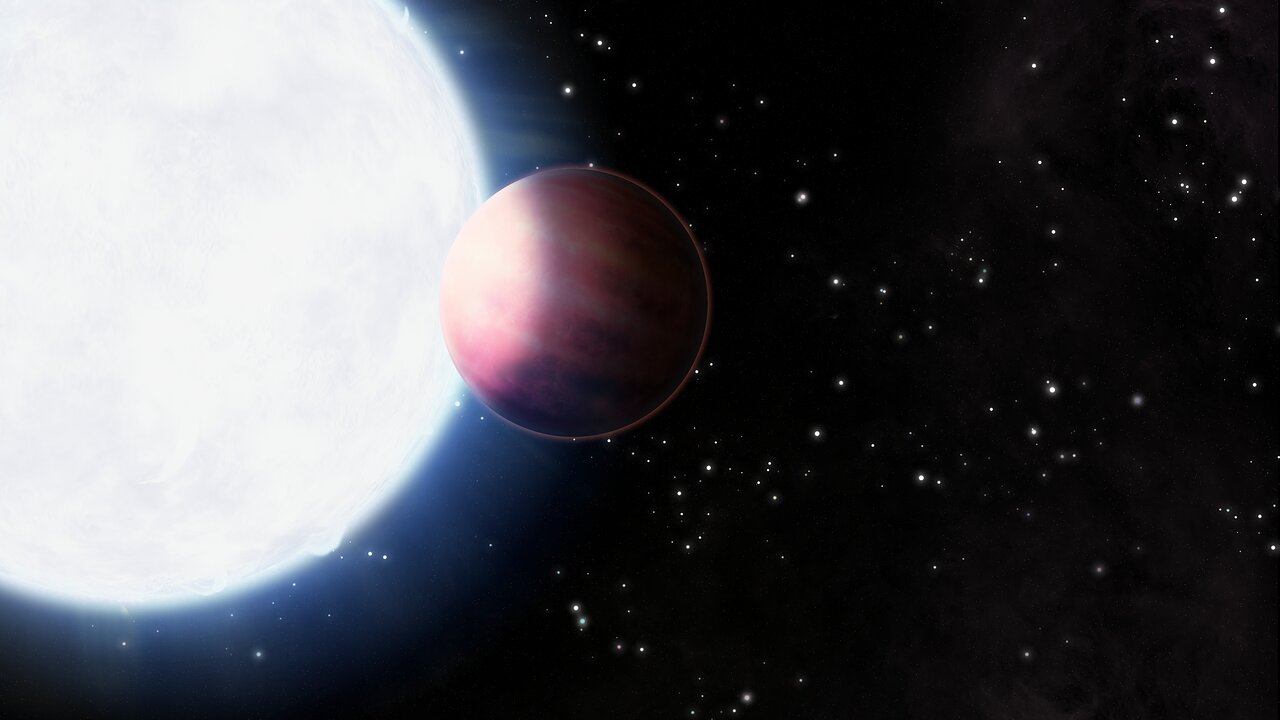
Exoplanet atmospheres are dynamic 3D environments shaped by intense irradiation, strong atmospheric circulation and winds, and complex chemical processes. I use phase-resolved high-resolution spectroscopy to investigate how atmospheric properties vary around the planet at different longitudes and throughout the atmosphere at different altitudes, combining transmission spectroscopy of the terminator with emission spectroscopy of the dayside to study different regions of the atmosphere as they rotate into view. By measuring how atmospheric chemistry and velocities vary both horizontally and vertically, these observations provide a 3D view of exoplanet atmospheres.
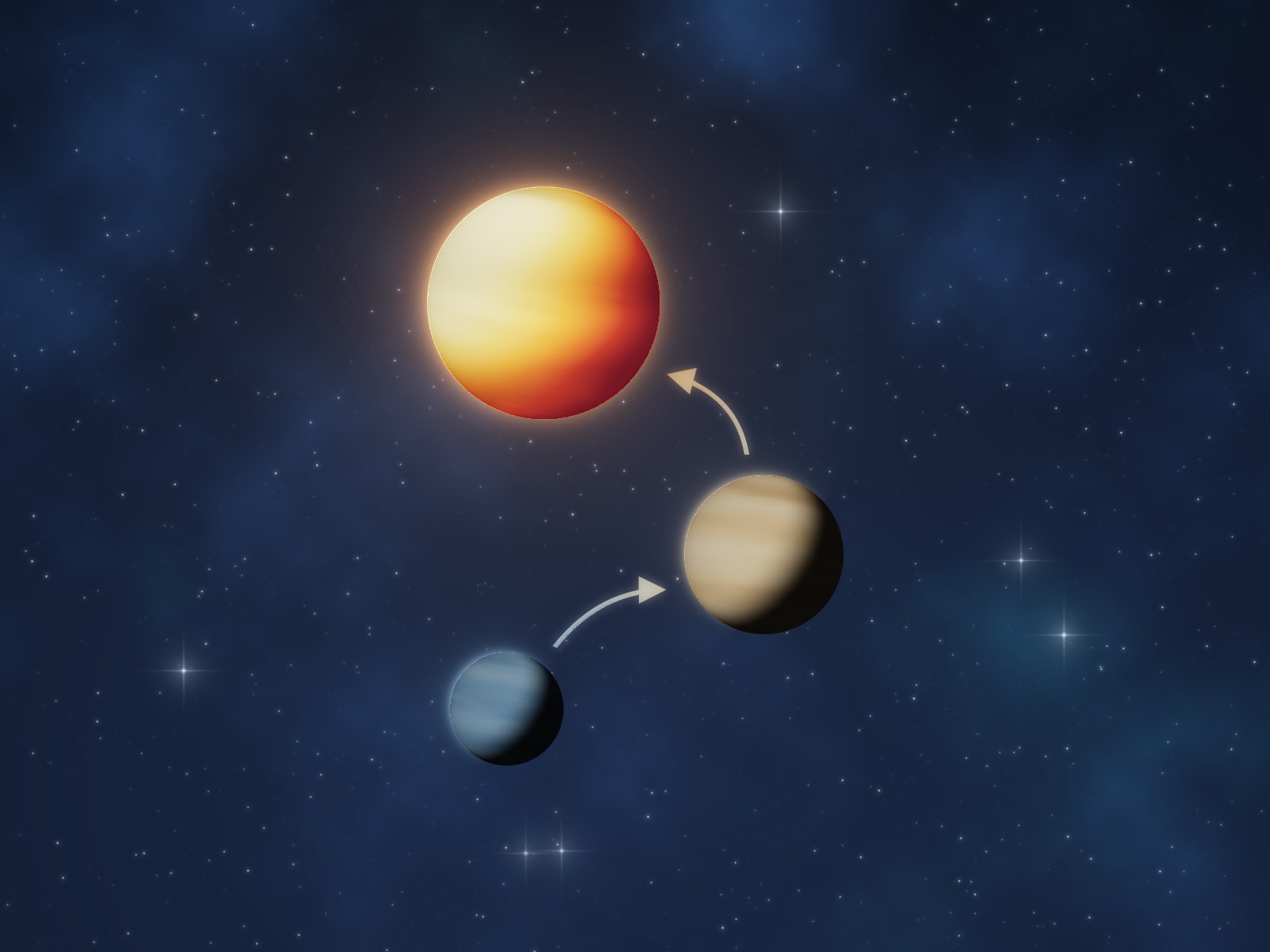
One of my primary research goals is to understand how atmospheric processes relate to the physical properties of planets on a population-wide scale. I conduct homogeneous spectroscopic surveys to characterise exoplanet atmospheres by identifying chemical species and measuring wind velocities, allowing these properties to be compared consistently across planetary populations. I have led a survey linking sodium absorption in hot Jupiters to planetary temperature and surface gravity, and I am extending this comparative approach to the 3D atmospheres of ultra-hot Jupiters across their extreme temperature range. These population-level trends provide new insights into the diversity, formation, and evolution of planetary atmospheres, while helping predict what we may find with future observations.
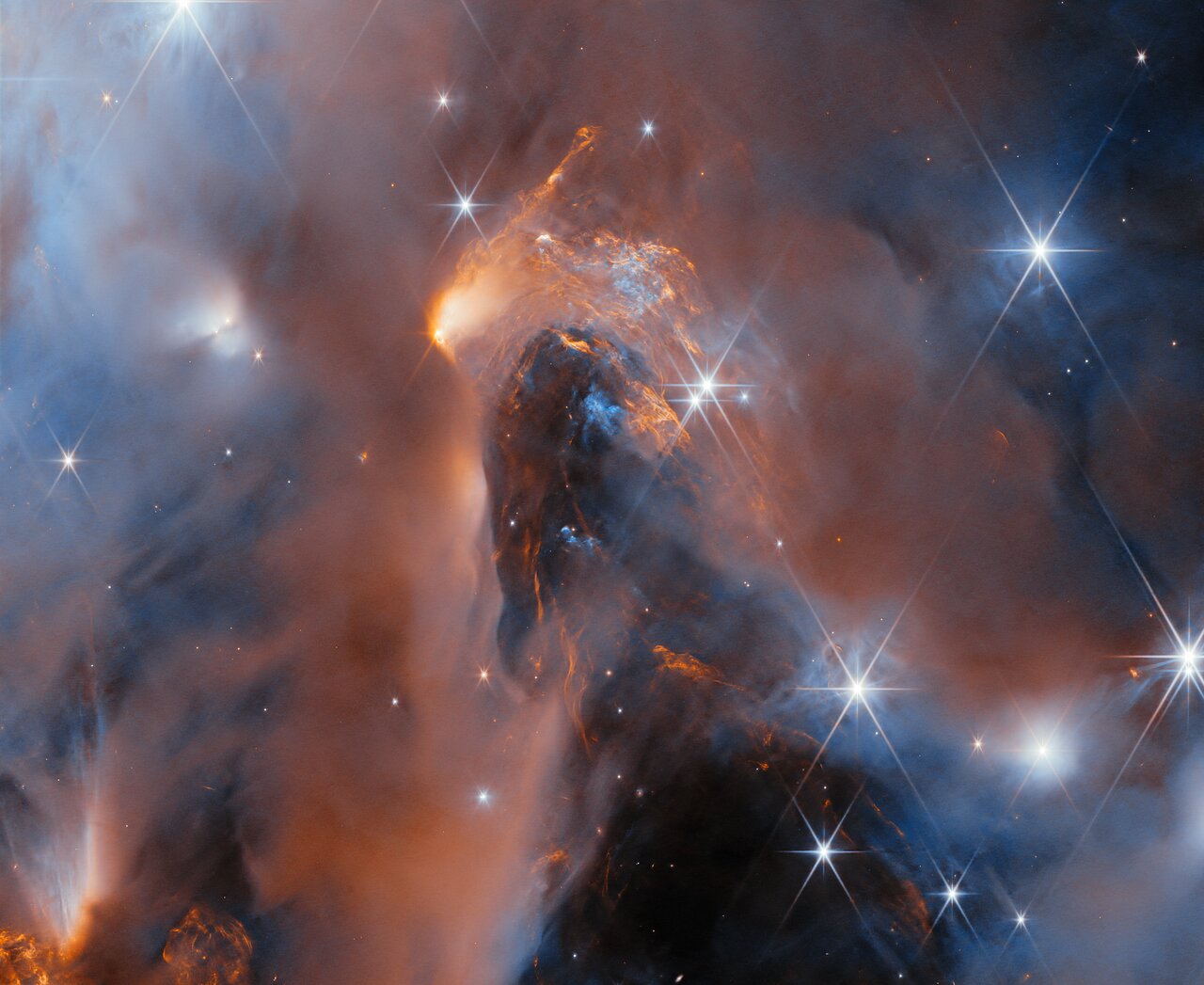
By combining optical and infrared high-resolution spectroscopy, I am measuring the abundances of rocky (refractory) elements, such as iron and magnesium, and icy (volatile) elements, such as carbon and oxygen, in ultra-hot Jupiter atmospheres. Comparing these rock-to-ice ratios with their host stars helps to constrain the materials these planets accreted and where they may have formed within their protoplanetary disks, providing broader insights into planet formation.
I also led the first JWST wide-field slitless spectroscopy survey of free-floating planetary-mass objects, targeting the young star-forming cluster NGC 1333 and discovering six new candidate objects with masses down to around five Jupiter masses. The lowest-mass object showed evidence for a surrounding disk that could potentially form a miniature planetary system. These discoveries help investigate whether such free-floating “rogue worlds” form predominantly through gravitational collapse like stars, or in protoplanetary disks like planets before being ejected from their systems.
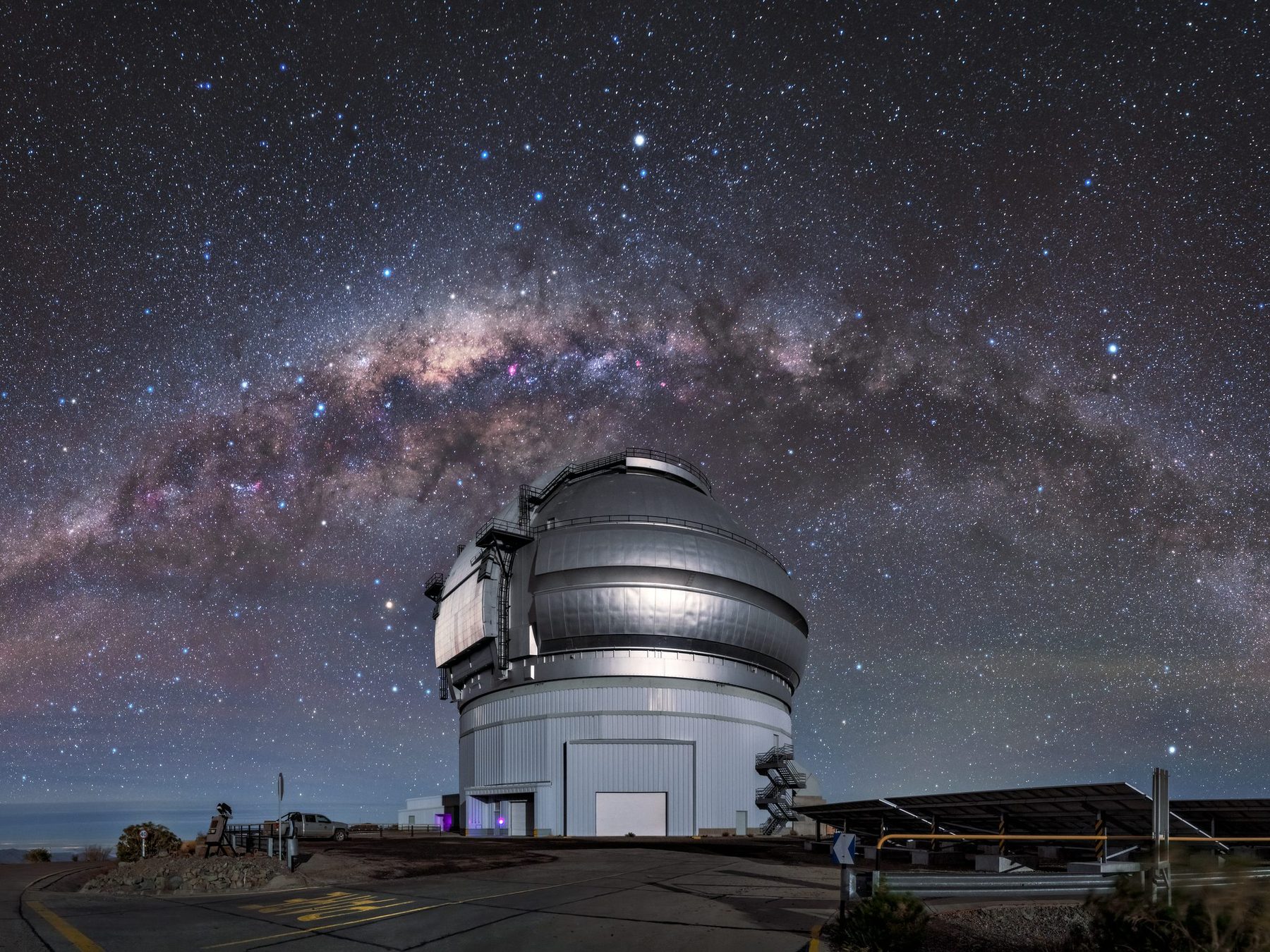
I lead observing programs using some of the world’s largest ground-based telescopes to investigate the atmospheres of exoplanets through high-resolution spectroscopy. These include programs at the Gemini and Keck Observatories, most notably SPECTRE-GHOST – a three-year Gemini South Large & Long Program to conduct a comparative survey of ten ultra-hot Jupiters. I also lead targeted observing programmes using state-of-the-art optical and near-infrared spectrographs to investigate individual planetary systems in greater detail. Together, these programs provide new insights into the diversity of exoplanet atmospheres and help lay the groundwork for future observations with the Extremely Large Telescopes.
A selection of my peer-reviewed research publications is highlighted below. For a complete list, please see the links at the end of this section.
The Astrophysical Journal Letters, 981, L32 (2025)
The Astronomical Journal, 168, 179 (2024)
Monthly Notices of the Royal Astronomical Society, 514, 5192 (2022)
Monthly Notices of the Royal Astronomical Society, 502, 4392 (2021)
My research has been featured in international news outlets, including television, radio, and online publications. A selection of media coverage and appearances is highlighted below.
Highlights from my high-resolution spectroscopy study of the ultra-hot Jupiter HAT-P-70b.
27 May 2025
Interview and podcast highlighting my work on the discovery and characterisation of six free-floating planetary-mass objects in the star-forming cluster NGC 1333.
30 August 2024
Television interview highlighting my work on the discovery and characterisation of six free-floating planetary-mass objects in the star-forming cluster NGC 1333.
29 August 2024
Press article highlighting my work on the discovery and characterisation of six free-floating planetary-mass objects in the star-forming cluster NGC 1333.
29 August 2024
Press release of the JWST image from my work on the discovery and characterisation of six free-floating planetary-mass objects in the star-forming cluster NGC 1333.
27 August 2024
Press release highlighting results of my publication on the discovery and characterisation of six free-floating planetary-mass objects in the star-forming cluster NGC 1333.
27 August 2024
Feel free to reach out regarding collaborations, opportunities, or general inquiries.
adam.langeveld [at] asu.edu
Adam B. Langeveld